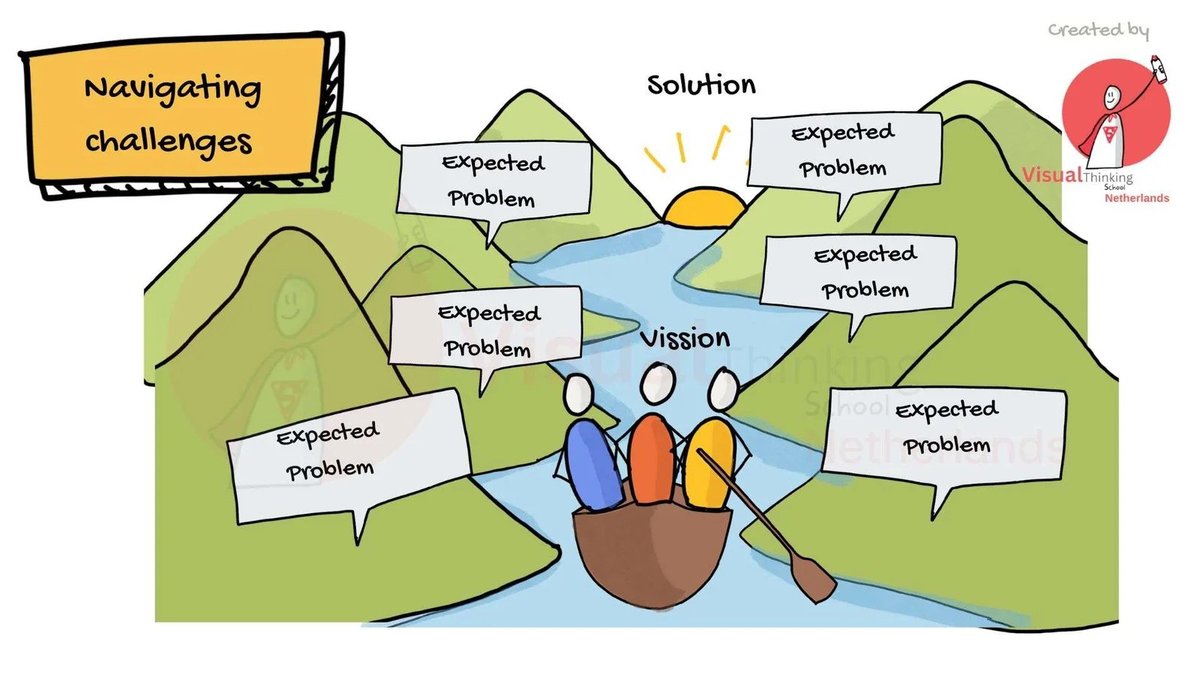
The landscape of modern life often presents a myriad of hurdles, from the subtle anxieties of daily living to profound psychological distress. While we often celebrate physical prowess, the strength required for Navigating Psychological & Social Challenges is equally, if not more, critical for a fulfilling life. These aren't abstract concepts or weaknesses of character; they are deeply human experiences that impact millions, shaping our relationships, careers, and overall well-being. But here's the empowering truth: these challenges are not insurmountable. With understanding, strategy, and self-compassion, they can become catalysts for profound personal growth and unwavering resilience.
At a Glance: Key Takeaways for Your Journey
- Understanding is Power: Psychological challenges are common, affecting 1 in 4 adults annually, and stem from a complex mix of genetics, environment, trauma, and societal pressures.
- The Ripple Effect: These challenges don't just exist in your head; they impact relationships, work, physical health, and financial stability.
- Paths to Support: Professional therapies (like CBT), medication, lifestyle changes, and robust support networks are all vital tools.
- Busting Barriers: Recognizing symptoms, challenging stigma, understanding healthcare systems, and building a support network are crucial for getting help.
- Resilience is a Skill: It's not about avoiding adversity but learning to adapt and grow through it, using strategies like positive reframing, mindfulness, and goal-setting.
- You're Not Alone: Seeking help is a sign of strength, and resources exist to support your journey toward mental well-being.
The Invisible Backpack: Understanding Psychological Challenges
Imagine carrying a backpack filled with invisible weights. Some days it feels light, other days it's impossibly heavy, slowing you down, even making simple steps feel monumental. This analogy captures the essence of psychological challenges – they're not always visible, but their impact is profoundly real. They extend far beyond fleeting sadness, often creating significant hurdles in daily life.
More Than Just a Bad Day: What We're Talking About
The numbers don't lie: approximately one in four adults experiences a diagnosable mental disorder annually. That statistic alone should tell us that these challenges are a fundamental part of the human experience, not isolated anomalies. Yet, a pervasive stigma often keeps these conversations hidden, making it harder for individuals to reach out.
Common psychological challenges include:
- Anxiety Disorders: From a constant, pervasive worry (Generalized Anxiety Disorder) to intense fear of specific situations (specific phobias) or sudden, overwhelming panic attacks.
- Depression: A persistent feeling of sadness and loss of interest or pleasure, often accompanied by changes in sleep, appetite, energy, and concentration.
- Stress-Related Conditions: Chronic stress can manifest in various ways, from physical symptoms to emotional burnout, impacting overall mental health.
- Personality Disorders: Enduring patterns of thinking, feeling, and behaving that deviate significantly from cultural expectations, leading to distress or impairment.
- Substance Abuse and Addiction: Often co-occurs with other mental health issues, serving as a maladaptive coping mechanism that ultimately exacerbates underlying problems.
Recognizing these isn't about self-diagnosing, but about understanding the spectrum of experiences that fall under mental health.
Unpacking the Roots: Why We Face These Issues
Psychological challenges rarely have a single cause. Instead, they typically arise from a complex interplay of factors, much like a intricate web where each strand influences the others:
- Genetic Predisposition: You might inherit a vulnerability to certain mental health conditions, meaning you're more likely to develop them if exposed to specific environmental triggers.
- Environmental Factors: Your upbringing, societal influences, exposure to high-stress environments, or experiences with discrimination can all shape your mental health.
- Trauma and Adverse Life Experiences: A single catastrophic event, like an accident or loss, or accumulated smaller traumas over time can leave lasting psychological imprints.
- Societal Pressures and Expectations: The relentless pursuit of unrealistic ideals perpetuated by social media, coupled with intense performance pressure in academic or professional settings, can significantly contribute to anxiety and depression.
- Biological and Neurological Factors: Imbalances in brain chemistry (neurotransmitters like serotonin or dopamine) and specific neural pathways play a crucial role in many mental health conditions.
Understanding these contributing factors can help us approach challenges with greater empathy and recognize that they are not a choice or a personal failing.
The Ripple Effect: How Challenges Impact Your Life
When psychological challenges take root, their effects aren't confined to your internal world. They send ripples through every facet of your daily life, often creating a cycle that can be hard to break:
- Relationships: You might find it difficult to connect authentically with others, leading to conflict, misunderstanding, or a tendency to push loved ones away.
- Work or School Performance: Reduced concentration, flagging motivation, and increased absenteeism can hinder your ability to meet responsibilities, impacting your career or academic progress.
- Physical Health: The mind-body connection is powerful. Chronic stress, anxiety, and depression can manifest as physical symptoms like persistent headaches, digestive issues, chronic fatigue, and weakened immunity.
- Social Isolation: A common coping mechanism is withdrawal, but this often exacerbates existing challenges by removing vital sources of support and connection.
- Financial Impact: The costs associated with treatment, medication, therapy, and potential lost wages due to impaired functioning can place a significant financial burden on individuals and families.
These impacts underscore the critical importance of addressing psychological challenges proactively and comprehensively.
Charting Your Course: Practical Pathways to Well-being
Knowing what you're up against is the first step. The next is understanding that there are well-worn paths and effective strategies to navigate these challenges, guiding you toward greater well-being and stability.
When to Seek Professional Guidance
Sometimes, the invisible backpack becomes too heavy to carry alone, and that's precisely when professional guidance becomes invaluable. Learning to identify the signs and symptoms – persistent sadness, overwhelming anxiety, significant changes in behavior or mood – is crucial.
- Psychotherapy and Counseling: Often the first line of defense, therapy provides a safe, confidential space to explore thoughts, emotions, and behaviors. Approaches like Cognitive Behavioral Therapy (CBT) are highly effective, helping you identify and challenge unhelpful thought patterns and develop healthier coping mechanisms.
- Medication Management: For some, medication can be a vital tool to help restore balance in brain chemistry, alleviating severe symptoms and making other therapeutic interventions more effective. This is typically managed by a psychiatrist in conjunction with therapy.
Daily Anchors: Self-Care and Lifestyle Shifts
While professional help is crucial for many, daily habits and lifestyle choices form the foundation of mental well-being and can significantly aid in recovery and prevention. Think of them as your daily anchors, grounding you amidst life's storms.
- Regular Exercise: Physical activity is a potent mood booster, releasing endorphins and reducing stress hormones. Even a brisk walk can make a difference.
- Healthy Diet: What you eat directly impacts your brain function and mood. A diet rich in whole foods, fruits, vegetables, and lean proteins supports optimal mental health.
- Good Sleep Habits: Sleep is restorative. Prioritize 7-9 hours of quality sleep nightly, maintaining a consistent sleep schedule to regulate your body's natural rhythms.
- Mindfulness and Relaxation Techniques: Incorporating practices like meditation, deep breathing exercises, or progressive muscle relaxation can help you stay present, reduce stress, and improve emotional regulation.
The Power of Connection: Support Systems
Humans are inherently social creatures. A robust support network acts as a crucial buffer against stress and isolation, reminding you that you're not alone in your journey.
- Support Groups and Peer Support: Connecting with others who share similar experiences can be incredibly validating and empowering. These groups offer a safe space to share, learn, and offer mutual encouragement.
- Building Your Personal Network: Actively cultivating relationships with trusted friends, family members, or mentors provides emotional nourishment and practical advice. Don't underestimate the power of simply talking things through with someone who cares.
Breaking Down Walls: Overcoming Barriers to Help
Even with effective strategies available, accessing help can be fraught with challenges. Understanding these common barriers is the first step in dismantling them.
Recognizing the Signs in Yourself and Others
One of the most significant barriers is simply not realizing there's a problem. Mental health symptoms can be subtle or mimic physical ailments, making them hard to pinpoint. Educating yourself on common indicators—like persistent low mood, overwhelming worry, changes in sleep or appetite, loss of interest in activities, or increased irritability—can be life-changing. If these patterns persist and interfere with your daily life, it's a signal to pay closer attention.
Shattering the Silence: Tackling Stigma
Perhaps the most insidious barrier is stigma. The misconceptions and judgment surrounding mental health issues often lead individuals to suffer in silence, fearing negative repercussions if they speak up. Challenging stigma requires:
- Open Dialogue: Normalizing conversations about mental health in our homes, workplaces, and communities.
- Education: Dispelling myths and providing accurate information.
- Empathy: Approaching those struggling with understanding and compassion, rather than judgment.
- Visibility: Hearing stories from people who have successfully navigated their own challenges helps others feel less alone.
Demystifying the System: Navigating Mental Healthcare
The mental healthcare system can feel like a labyrinth. Complexities surrounding insurance coverage, referrals, finding suitable providers, and navigating waiting lists can be incredibly frustrating, especially when you're already feeling vulnerable.
- Research and Advocacy: Learn about your insurance coverage for mental health services. Many plans offer resources for finding in-network providers.
- Start Small: Your primary care physician can often provide initial screenings, referrals, and even prescribe some medications for mental health conditions.
- Community Resources: Look into local community mental health centers, which often offer sliding scale fees or free services.
- Self-Advocacy: Develop the confidence and skills to speak up for your needs, ask questions, and persist in finding the right support. This might involve calling multiple providers or seeking help from patient advocacy groups.
The journey might be challenging, but the destination—better mental health—is worth the effort. For a deeper look into broader societal dynamics that might contribute to these systemic challenges, you might Explore Homo Argentum Torrent, which delves into the forces shaping modern human experience and resilience.
Building Your Village: Cultivating a Support Network
A lack of a robust support network can make navigating psychological challenges feel isolating. Intentionally building and nurturing relationships can be a powerful antidote.
- Identify Allies: Think about friends, family, colleagues, or community members who you trust and feel safe with.
- Be Proactive: Reach out. Suggest a coffee, a walk, or a phone call. Sometimes, simply initiating contact can strengthen a bond.
- Join Groups: Hobbies, volunteer work, or online communities focused on shared interests can be excellent avenues for meeting supportive individuals.
- Practice Reciprocity: Support is a two-way street. Be there for others when they need it, fostering deeper connections.
The Art of Bouncing Back: Cultivating Mental Resilience
Mental resilience isn't about being impervious to stress or adversity; it's about your capacity to adapt, recover, and grow in the face of life's inevitable setbacks. It's the ability to bend without breaking, to learn from difficulty, and to emerge stronger.
What is Mental Resilience, Really?
Resilience is far more than just "toughness." It encompasses emotional awareness, mindfulness, and effective problem-solving skills. Crucially, it's not a fixed trait you're born with; it's a dynamic set of behaviors, thoughts, and actions that you can learn, practice, and strengthen over time.
Developing resilience yields tangible benefits:
- Better Mental and Physical Health: Resilient individuals tend to experience lower levels of anxiety and depression, and their bodies cope better with stress. Research consistently indicates a strong correlation between higher resilience and improved mental health outcomes.
- Improved Relationships: The ability to navigate challenges often translates into more stable, empathetic, and communicative relationships.
- Higher Achievement of Personal and Professional Goals: Resilience fuels perseverance, helping you stay motivated and focused even when obstacles arise.
Resilience is about flourishing, not merely surviving.
Building Your Resilience Toolkit: Key Strategies
Cultivating mental resilience involves a conscious effort to adopt specific habits and mindsets. Here are practical strategies you can integrate into your life:
- Adopt a Positive Mindset: This isn't about ignoring problems, but about acknowledging challenges while actively focusing on potential solutions and opportunities for growth. Reframe failures as learning experiences. Think of Thomas Edison, who famously said, "I have not failed 10,000 times. I have successfully found 10,000 ways that will not work." His perspective illustrates the power of viewing setbacks as stepping stones.
- Cultivate a Strong Support Network: As discussed earlier, surrounding yourself with supportive individuals provides emotional nourishment, practical advice, and a sense of belonging. Studies consistently show that robust social support significantly improves resilience and overall mental health outcomes. Make time for these connections.
- Practice Mindfulness: Being present in the moment helps you observe your thoughts and feelings without judgment, reducing stress and improving emotional regulation. Techniques like meditation, deep breathing exercises, or simply taking a few moments to appreciate your surroundings can enhance focus, reduce rumination, and foster a sense of calm amidst chaos.
- Set Realistic Goals: Establishing clear, achievable (SMART – Specific, Measurable, Achievable, Relevant, Time-bound) goals provides direction and purpose, giving you something tangible to work towards. Break down larger aspirations into smaller, manageable tasks to maintain momentum and prevent overwhelm, building confidence with each accomplished step.
- Embrace Change: Develop an adaptable mindset, viewing change not as a threat, but as an inherent part of life and an opportunity for growth and innovation. This flexibility fosters creativity, allows you to pivot when necessary, and helps turn unexpected setbacks into advantageous new directions.
By consistently applying these strategies, you equip yourself to not only withstand adversity but to truly thrive in its wake.
Common Questions & Misconceptions
Navigating mental health can bring up many questions, and common myths often muddy the waters. Let's clear up a few.
"Is it just in my head?"
This is a pervasive and damaging misconception. While psychological challenges manifest in your mind, they are often rooted in a complex interplay of biological, genetic, environmental, and social factors. They are as real and valid as any physical illness. Dismissing them as "all in your head" ignores the physiological changes in the brain and nervous system that accompany many conditions. Your experiences are valid, and you deserve support.
"Am I strong enough to get through this alone?"
While you possess incredible inner strength, true strength lies in knowing when to ask for help. Trying to battle significant psychological challenges in isolation can prolong suffering and even worsen outcomes. Seeking professional guidance or leaning on a support network isn't a sign of weakness; it's a courageous act of self-care and a testament to your commitment to your well-being.
"Does therapy actually work?"
Yes, absolutely. Evidence-based psychotherapies, such as Cognitive Behavioral Therapy (CBT), Dialectical Behavior Therapy (DBT), and psychodynamic therapy, have been rigorously studied and proven effective for a wide range of mental health conditions. Therapy provides tools, insights, and strategies to understand and manage your thoughts, feelings, and behaviors, leading to lasting positive change. It's a collaborative process that empowers you to develop healthier coping mechanisms.
"What if I can't afford help?"
Cost is a legitimate concern, but it shouldn't be a complete barrier to seeking support. There are often more affordable options available than people realize:
- Community Mental Health Centers: Many offer services on a sliding scale based on income.
- University Training Clinics: Graduate students in psychology or social work programs provide therapy under the supervision of licensed professionals, often at reduced rates.
- Employee Assistance Programs (EAPs): Many employers offer EAPs that provide a limited number of free therapy sessions.
- Online Therapy Platforms: Some platforms offer more affordable access to licensed therapists.
- Support Groups: While not professional therapy, peer support groups are usually free and provide invaluable emotional support.
- Government Programs: Look into state or local government mental health initiatives that may offer subsidized care.
Don't let perceived financial barriers stop you from exploring all available options.
Moving Forward: Your Path to Flourishing
Navigating Psychological & Social Challenges is a continuous journey, not a destination. There will be good days and challenging days, moments of triumph and moments of setback. The key is to approach this journey with curiosity, compassion, and a commitment to your own growth.
Embrace the understanding that these challenges are not personal failings but rather complex human experiences. Equip yourself with the knowledge to recognize the signs, the courage to seek help, and the strategies to build unwavering resilience. Remember that early intervention and ongoing support are crucial for effective management, and society must collectively strive to challenge stigma and make mental health care accessible to all.
Your path to personal growth and resilience is unique, but it is always possible. By taking proactive steps, fostering connection, and nurturing your inner strength, you can not only survive adversity but truly flourish.