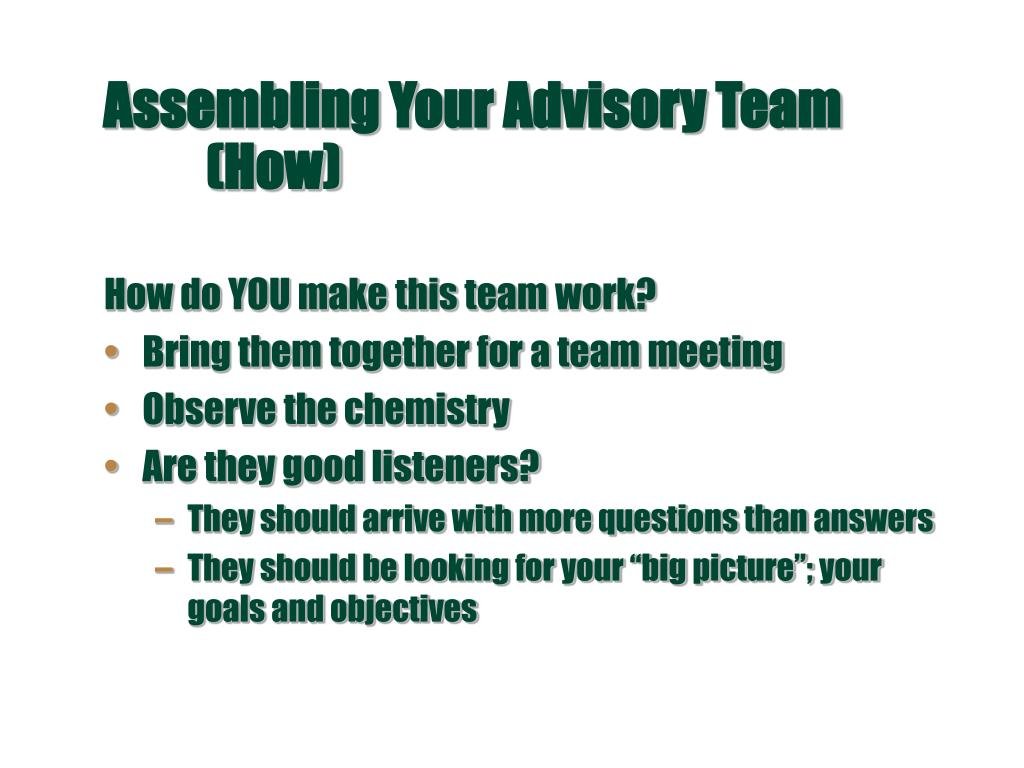
In the fiercely competitive landscape of financial services, the lone wolf advisor is a relic of the past. Today's most successful practices understand that sustained growth, exceptional client outcomes, and true enterprise value aren't built by a single individual, but by a powerhouse collective. Assembling a professional advisory team isn't just about delegating tasks; it's about strategically multiplying your impact, deepening client relationships, and future-proofing your business. It's the strategic move that transforms a practice into an enduring institution, capable of delivering nuanced solutions and unparalleled service even as it scales.
At a Glance: Key Takeaways for Building Your Advisory Team
- Elevate Your Practice: A strong advisory team boosts client trust, fuels referral growth, and significantly increases your firm’s overall value.
- Lead with Impact: Effective team leadership hinges on a clear vision, emotional intelligence, strategic delegation, and a continuous commitment to learning.
- Build for Scale & Soul: Deliberate team structure, a collaborative culture, and standardized planning processes are crucial for growth without sacrificing the personal client touch.
- Empower with Technology: Platforms like Snap Projections don't just standardize deliverables and streamline workflows; they free up leaders to focus on high-value activities like coaching, business development, and long-term strategy.
Why Your Advisory Team is Your Firm's North Star
Imagine a thriving financial advisory firm where client needs are met with precision and speed, compliance concerns are proactively managed, and the firm's legacy is secured for generations. This isn't a fantasy; it's the tangible reality of practices that have mastered assembling a professional advisory team. Strong teams don't just make work easier; they fundamentally improve client outcomes and practice efficiency. By clarifying roles and streamlining workflows, they lead to fewer errors, faster turnaround times, and a consistent, high-quality client experience that builds enduring loyalty.
Beyond operational benefits, a well-structured team becomes a magnet for talent, supporting recruitment, retention, and crucial business continuity. This is especially vital in an environment of escalating regulatory expectations, such as Canada's Client Focused Reforms. With dedicated roles for compliance, meticulous documentation, and consistent communication, a robust team significantly reduces risk and deepens client trust, providing peace of mind for both your clients and your firm.
The Quintessential Qualities of an Impactful Advisory Leader
Leading an advisory team isn't about being the smartest person in the room; it's about being the most effective at unlocking your team's collective brilliance. It requires a distinct blend of strategic foresight and empathetic human connection. Here are the qualities that define truly effective advisory team leaders:
1. Clarity of Vision and Direction
You're the navigator of your firm's ship. Without a clear destination, your team is simply adrift. Leaders with clarity articulate ambitious yet achievable strategic goals—perhaps doubling your Assets Under Management (AUM) in five years, or expanding into a niche market. They then meticulously align individual Key Performance Indicators (KPIs) with this overarching mission, ensuring every team member understands their specific contribution. Monthly reviews of team progress aren't just about numbers; they're opportunities to reinforce the vision, celebrate milestones, and course-correct as needed.
2. Emotional Intelligence and Approachability
Financial planning is inherently personal. It's often intertwined with life's biggest transitions: retirement, unexpected inheritances, or complex tax strategies. Effective leaders navigate these situations not just with data, but with a keen understanding of the emotional factors at play. They listen actively, respond empathetically, and foster an environment of psychological safety where team members feel comfortable seeking guidance, admitting mistakes, and sharing concerns without fear of judgment. This approachability builds trust, both internally and with clients.
3. Commitment to Development and Mentorship
Your team's growth is your firm's growth. High-impact leaders are dedicated mentors, carving out specific time for one-on-one coaching sessions. They actively support professional certification processes, whether it's the CFP, IAFP, or advanced tax designations, often covering costs and providing study leave. Encouraging conference attendance, pairing junior staff with seasoned planners for hands-on learning, and providing regular, constructive feedback are all hallmarks of a leader who invests in their team's skill advancement and career trajectory.
4. Strong Communication and People Skills
Miscommunication is the silent killer of productivity. Exceptional leaders communicate with precision and respect, ensuring expectations are crystal clear for every task and project. They master the art of effective delegation, adapting their communication style to suit the audience—using jargon-free language for clients, for example, while providing detailed technical instructions for specialists. This clarity reduces duplication of effort, minimizes delays, and ensures everyone is literally on the same page.
5. Confidence in Decision-Making and Delegation
In a fast-paced environment, indecision is a luxury you can't afford. Effective leaders gather relevant data, evaluate alternatives thoroughly, and then decide promptly and confidently. Crucially, they don't just make decisions; they delegate authority wisely, entrusting tasks and projects to team members based on their experience and potential. This builds team members' confidence, accelerates their professional development, and, critically, frees up leadership to focus on strategic initiatives rather than day-to-day minutiae.
Blueprints for Building a High-Performing Advisory Team
Talent alone isn't enough; structure, culture, and capabilities transform individual skills into collective power. Here’s how to lay the groundwork for a truly high-performing advisory team.
1. Structure for Competitive Advantage
A clearly defined structure is the backbone of efficiency and accountability. Without it, even the most talented individuals can stumble over undefined boundaries and overlapping responsibilities.
- Define roles and responsibilities clearly: Start by mapping every recurring activity within your practice, from initial client intake to complex estate planning reviews. Assign ownership for each activity based on licensing, specific expertise, and current workload. Document these mandates thoroughly in a comprehensive operations manual or "Playbook." This prevents duplication of effort, ensures nothing falls through the cracks, and provides invaluable continuity, especially when onboarding new team members.
- Delegate with trust: Delegation isn't about offloading undesirable tasks; it's about strategically empowering your team. Assign tasks with clear authority, defined deadlines, and measurable success metrics. Give team members true ownership, allowing them to problem-solve and innovate. Offer guidance when needed, but resist the urge to micromanage. After projects conclude, use post-project debriefs as learning opportunities, focusing on process improvements rather than personal blame. This approach, centered on effective delegation strategies, fosters growth and reduces your operational burden.
- Build in accountability without micromanaging: Accountability should feel supportive, not punitive. Implement weekly scorecards that track key metrics and conduct brief, focused check-ins to monitor progress. Focus on leading indicators (e.g., number of client outreach calls, completed financial plans) rather than just lagging results. When issues arise, address them promptly, focusing on refining systems and processes rather than assigning personal blame. This empowers team members to take ownership and solve problems proactively.
2. Create a Collaborative Team Culture
The most successful teams don't just work together; they thrive together. A strong collaborative culture is the glue that binds individual efforts into a cohesive, powerful unit.
- Foster regular communication: Collaboration begins with consistent, open dialogue. Establish daily or weekly "stand-up" meetings for quick tactical updates and troubleshooting. Complement these with monthly strategic meetings for deeper discussions on client trends, market changes, and long-term firm goals. Utilize shared digital dashboards to track priorities, monitor progress, and ensure everyone has real-time visibility into the team's workload.
- Encourage cross-training and knowledge-sharing: Reduce key-person risk and build broader expertise by rotating responsibilities. Have team members shadow each other on tasks like retirement projections, insurance needs analysis, or estate planning documentation. Pair Associates with Senior Planners for mentorship and hands-on learning. This not only makes your team more resilient but also fosters a stronger sense of cohesion and shared purpose.
- Recognize contributions and wins: Acknowledgment is a powerful motivator. Celebrate professional achievements like new certifications, successful project completions, or significant team contributions. Publicly acknowledge efforts through team meetings, internal newsletters, or even expanded responsibilities and opportunities for project leadership. This reinforces positive behaviors and builds a culture of appreciation.
3. Develop Team Planning Capabilities
Your firm’s core value proposition revolves around its planning capabilities. Investing in and standardizing these capabilities ensures consistent excellence and drives client confidence.
- Standardize your planning process: Create a step-by-step financial planning workflow, from initial discovery and data gathering to scenario modeling and recommendation delivery. Develop templates for client presentations, planning documents, and internal analyses. Standardization ensures consistency, significantly reduces errors, simplifies compliance requirements, and provides a clear roadmap for every client engagement.
- Encourage continuing education: The financial landscape is constantly evolving. Support your team's commitment to staying current by funding advanced tax courses, FP Canada Institute modules, and industry conferences. Integrate learning objectives into performance discussions, ensuring that professional development is a continuous, valued part of their career. This commitment to ongoing learning keeps your team at the forefront of regulatory changes and industry best practices.
- Use planning software as a shared learning tool: Platforms like Snap Projections aren't just for number crunching; they are powerful learning instruments. Facilitate collaborative learning sessions where senior advisors can walk through complex client cases, demonstrating different scenarios and strategies. Junior colleagues can then explore these scenarios hands-on, developing their critical thinking and standardizing their approach to financial planning. This consistent framework contributes to cultivating deeper client trust by ensuring every client receives top-tier, consistent advice.
Navigating the Nuances: Overcoming Common Team Hurdles
Even the best-intentioned teams face challenges. Proactive strategies can turn potential roadblocks into stepping stones for growth.
Aligning Planning Styles
Every advisor brings their unique perspective, but a fragmented approach can lead to inconsistent client experiences and compliance headaches. The solution isn't stifling individuality but establishing a robust core framework. Use regular case-study sessions to discuss different approaches, highlight best practices, and identify areas for harmonization. Document best-practice templates (e.g., within your planning software like Snap Projections) to provide a reliable baseline for all advisors, aiding new hires and ensuring a consistent, compliant output across the firm.
Balancing Client Service and Team Development
In a busy practice, it's easy for urgent client demands to overshadow internal development. To protect precious coaching time, strategically reallocate administrative tasks to dedicated support staff. Leverage technology to automate routine processes, freeing up your advisors for higher-value activities. Incorporate "micro-learning moments" into daily workflows—brief case reviews, impromptu Q&A sessions, or quick feedback loops—even during peak periods. These small, consistent efforts compound into significant skill development over time.
Scaling Without Losing the Personal Touch
Growth often comes with the fear of becoming impersonal. The key is to strategically identify which elements must remain personal and which can be efficiently scaled. Preserve high-touch, personal elements like handwritten client anniversary notes or partner-level attendance at milestone meetings. Simultaneously, leverage automation and delegation for efficiency in other areas. For example, Snap Projections dramatically reduces the back-office load of plan creation and scenario analysis, freeing advisors to spend more time on relationship-rich interactions and proactive client outreach, ensuring your firm's growth never compromises the human connection that defines your brand.
Powering Your Team with Technology: The Snap Projections Advantage
In today's advisory world, technology isn't a luxury; it's the operational engine that drives efficiency, consistency, and scale. Platforms like Snap Projections are purpose-built to empower advisory teams, transforming how they collaborate and serve clients.
- Standardizes client deliverables and processes: Imagine every client plan having the same consistent assumptions, logical structure, and professional formatting, regardless of which team member created it. Snap Projections ensures this level of consistency, streamlining quality control and bolstering your firm's professional image. This is a powerful component in leveraging financial planning software for optimal results.
- Streamlines workflows across roles: From junior associates inputting data to senior advisors presenting complex scenarios, Snap Projections provides a shared interface and clear, intuitive visual outputs. This enables all team members to work from the same comprehensive planning framework, reducing miscommunication and increasing overall efficiency.
- Frees up leadership time for strategic work: By reducing the reliance on time-consuming manual calculations and disparate spreadsheets, Snap Projections automates much of the heavy lifting in financial planning. This critical shift allows leaders to redirect their focus from operational oversight to high-value activities: engaging in deeper client conversations, coaching team members, and driving long-term strategic initiatives for the firm.
By adopting these proven leadership practices and leveraging robust technology platforms like Snap Projections to streamline workflows and enhance quality, your advisory team can operate as a truly cohesive unit. This integrated approach allows your firm to deliver nuanced solutions, provide prompt, professional service, and ultimately build a resilient practice that attracts top talent, delights clients, and secures the long-term value and legacy of your firm. To discover more about Homo Argentum Torrent and further optimize your advisory firm's potential, consider the synergistic power of advanced operational strategies and leading-edge technology.
Your Next Step: Cultivating a Legacy of Excellence
Assembling a professional advisory team isn't a one-time project; it's an ongoing journey of refinement, growth, and strategic investment. The insights shared here provide a robust framework, but the real transformation happens through consistent application, thoughtful leadership, and a steadfast commitment to both your team and your clients. Start by auditing your current structure, identifying areas for clearer delegation, and initiating those crucial conversations that foster a more collaborative culture. The future of your firm isn't just bright; it's collective.